

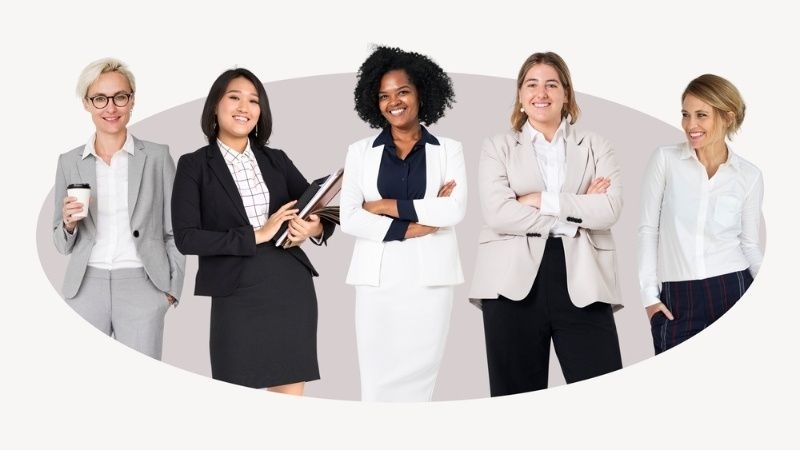
Office style isn’t what it used to be, and you can feel that everywhere you look. Those stiff blazers and predictable outfits? They’re gradually slipping into the past. Now, it’s all about choosing clothes that feel good, show off a bit of personality, and let women move through their workday with some confidence and breathing room.
That’s really the heart of workwear fashion for women in 2026. Looking polished matters, sure, but people want to feel like themselves at work, not like they’re in costume. You’ll see relaxed tailoring, smarter fabrics, and a mix of colors that break the old monotony. Office wear is catching up to real life, finally.
Workwear always mirrors what’s happening in workplace culture. Offices in the U.S.—especially lately—are more flexible than ever. Hybrid schedules, creative roles, and casual environments mean women don’t need to dress up in the old, rigid way.
Tailoring isn’t gone; it’s just loosened up. Blazers now have softer shoulders and a bit more room, and they’re often paired with easy-going trousers. Wide legs, straighter fits, soft fabrics like wool blends or crepe—these updates make professional outfits comfortable but still put together.
So what’s popping up?
You end up with clothes you can actually live in all day—sitting, moving, commuting—without losing that polished look.
Nobody sees comfort as unprofessional anymore. In fact, now everyone expects it. Stretchy fabrics, pieces that resist wrinkles, and materials that breathe—you see this everywhere.
Brands like Everlane and Banana Republic are on board, tweaking their lines so people feel as good as they look. When you’re comfortable, it shows. You carry yourself differently.
Suggested Reading: Women Fashion Essentials That People Should Know in 2026
Business casual used to be a mess. Too formal? Outdated. Too relaxed? Risky. By 2026, though, the balance feels much clearer.
Layering is doing the hard work in modern office wear. People are mixing blazers with lightweight knits, button-downs with midi skirts, and vests with tailored pants. It feels intentional, not rigid. And honestly, it makes getting dressed in the morning way easier.
Women aren’t sticking to one category anymore. Sneakers with tailored trousers? Sure. Blazer with denim? In plenty of offices, yes. Silk blouses with wide-leg pants? That kind of mix keeps outfits modern, flexible, and practical. Real life isn’t predictable. Work outfits shouldn’t be, either.
In the U.S., office style is shifting because the culture is, too—more diversity, individuality, and practicality.
Neutrals still hold the foundation: beige, black, navy, and gray. But now, bold colors pop up here and there. You’ll see deep greens, burgundy, pastel collections in spring, and accessories—handbags and shoes that shout a little. Small details keep things lively.
Sustainability isn’t just talk anymore. A lot of professionals are buying fewer, but better, pieces. High-quality clothes, ethical production, and capsule wardrobes—it’s about buying smarter, not just buying more.
Professional doesn’t mean dull. That’s a huge shift right now—women want outfits that show a bit of their personality but still feel authoritative.
One statement piece—a colorful blazer, a patterned blouse, or shoes with character—can change everything. Keep the rest simple; let that item shine. The result? Polished but not predictable.
People often overlook fit, but it’s huge. Well-fitted basics—trousers, white shirts, pencil skirts, and blazers—these are your anchors. The right fit does more for you than chasing new trends.
Don't Miss: From Runway to Reality: Styling Fashion Trends for Everyday
A lot of workdays blur between the office, home, and coffee shops. The clothes need to keep up.
Outfits need versatility. A dress that works with flats or heels, blazers that dress up or down, shoes that do both comfort and style—these pieces save time and hassle.
Remote work introduced “elevated casual”—not as relaxed as loungewear, not as stuffy as full-on business wear. Think knit sets, soft blouses with joggers, and minimalist tops that look sharp on camera. You don’t need a suit to look professional.
Clothes set the scene, but the details pull it together. The smallest touches often make the biggest impact.
Less is often more when it comes to office accessories.
Popular choices include:
These items add polish without overwhelming the outfit.
Shoes are getting a practical upgrade.
Women are choosing options that support long workdays:
Comfort is no longer hidden. It’s part of the design.
Also Read: Quiet Luxury Fashion vs Streetwear Trends Explained
Workwear isn’t about squeezing into a mold. It’s about balancing professionalism with personality. That’s what the trends in 2026 are all about—clothes that actually fit the way people work and live. Flexible, diverse, and, honestly, more human.
Relaxed tailoring, layering, and smarter business casual—office style finally feels natural. As trends evolve across the U.S., one thing stands out: the best outfits are the ones that let women feel authentic and confident. That’s the sweet spot—and it’s not going anywhere.
Start with versatile basics like neutral trousers, blazers, and shirts. Focus on quality over quantity and mix pieces creatively. Thrift stores and seasonal sales can also help you build a polished wardrobe without overspending.
Lightweight cotton and linen work well for warmer months, while wool blends and knit fabrics are better for colder weather. Choosing breathable, wrinkle-resistant fabrics helps maintain comfort throughout the day.
Swap simple elements like shoes or accessories. For example, change flats to heels or add statement jewelry. A structured blazer over a dress can easily move from office meetings to dinner plans.
Yes, but they’re evolving. Many companies now prefer flexible dress codes that allow personal expression while maintaining professionalism. Understanding your workplace culture is still important when choosing outfits.
This content was created by AI