

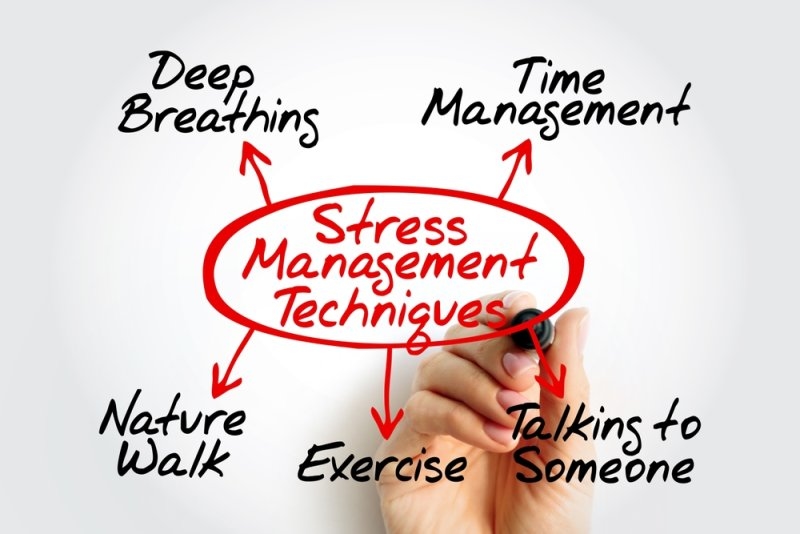
Modern life operates at a brutal, unsustainable speed. Your brain constantly processes massive data dumps, urgent emails, and financial panic without a single break. Letting that mental pressure build up destroys your physical health and completely shatters your focus. You cannot survive by just ignoring the burnout and drinking more caffeine. Executing ruthless stress management techniques forces your nervous system to shut down and reset. Stop relying on cheap weekend distractions to fix a massive daily problem. You must attack the anxiety at the root.
They are not cheap spa days or useless motivational quotes. These protocols are strict biological interventions designed to hack your nervous system. They physically lower your heart rate, kill the active cortisol spikes in your bloodstream, and force a panicked brain back into a calm, rational operating state instantly. This is pure survival science.
Executing these tactics builds a permanent psychological shield against external chaos. Instead of letting a brutal office deadline or a massive financial setback destroy your week, these strict routines allow you to absorb the impact. You process the incoming threat without letting it completely compromise your baseline mental stability.
Must Read: Mindfulness Made Easy: Daily Practices to Reduce Stress
Stop letting minor inconveniences ruin your entire mood. Implementing these hard stress management strategies forces your brain to process the chaos efficiently instead of spiraling into total mental panic.
Elite military units use this to kill panic. Inhale for four seconds, hold for four, exhale for four, and hold for four. It forces your heart rate to drop instantly.
Your phone actively feeds you anxiety. Force a strict blackout an hour before bed. Shut down the screens to stop the heavy dopamine hits and let your brain actually power down.
Racing thoughts destroy your sleep. Grab a physical pen and write down every single task, fear, and deadline on paper. Moving the data out of your head kills the internal noise.
Splash freezing water directly onto your face when a panic attack hits. It triggers the mammalian dive reflex, instantly rerouting your blood flow and forcing your nervous system to reboot.
Sitting on a couch lets toxic cortisol rot your body. Go run a heavy sprint or lift heavy steel. You have to physically burn the stress chemicals out of your bloodstream.
Multitasking is a massive lie that breeds anxiety. Force your schedule into strict one-hour blocks. Dedicating total focus to a single task kills the overwhelming feeling of being behind schedule.
Pumping espresso into your veins at four in the afternoon guarantees a midnight panic session. Set a rigid cutoff time for stimulants so your adrenal glands can actually recover before sleep.
Top Pick: What Kind Of Skincare Mistakes To Avoid For Healthy Skin?
You need a massive arsenal to fight back against daily burnout. Adding these aggressive stress reduction techniques to your routine builds an impenetrable wall against heavy mental exhaustion.
Stop accepting every single meeting invite and social favor. Defending your free time with a hard negative keeps other people from dumping their chaotic deadlines onto your plate.
Walking on a treadmill while staring at an iPad does nothing. Walk outside without a screen or music. Staring at the horizon forces your eyes to relax and resets your internal pacing.
Watching the 24-hour news cycle injects pure panic directly into your brain. Restrict your intake to ten minutes a day. Cut the doom-scrolling to protect your baseline mood.
Tense every single muscle in your body as hard as you can for ten seconds, then release. This progressive relaxation physically forces the trapped kinetic tension out of your shoulders and jaw.
Relying on quick fixes will not cure a deeply toxic lifestyle. Deploying these heavy stress management tips and recovery protocols permanently alters how you operate under severe pressure.
Chronic stress depletes your body of basic minerals. Supplementing with heavy magnesium glycinate before bed forces your central nervous system to relax, preventing rigid muscle cramps and insomnia.
A messy desk equals a chaotic brain. Clear the garbage off your workstation daily. A minimalist, sterile environment kills visual distractions and stops the subconscious feeling of being overwhelmed.
Waking up in a dark room spikes your depression. Walk outside into direct sunlight for ten minutes every morning. The UV exposure hard-resets your circadian rhythm and kills morning anxiety.
Going to bed at random hours destroys your hormonal balance. Lock in a strict wake-up time, even on weekends. Forcing a consistent sleep cycle arms your body to handle heavy daily hits.
Stop accepting massive anxiety as the standard cost of doing business. You do not have to live with a constantly racing heart and a fractured sleep schedule. Taking hard control of your environment and executing strict stress management techniques completely rebuilds your mental armor.
The most effective tactic is physical intervention. You cannot out-think a panicked brain. You must change your physiology first through deep box breathing, cold water exposure, or heavy sprints. Once your heart rate actually drops, your brain can logically process the problem in front of you.
Execute a strict shutdown routine every single evening. Block your time, write down tomorrow's tasks on a physical pad before leaving the desk, and refuse to check corporate emails after dinner. Creating a hard wall between work hours and personal time kills the background anxiety loop.
Yes. Pumping refined sugar into your system causes a massive blood glucose spike followed by a brutal crash. Your body reacts to that sudden drop by releasing cortisol and adrenaline, physically mimicking the exact biological symptoms of a severe panic attack.
Absolutely. Severe mental pressure triggers a biological condition called telogen effluvium. The massive spike in stress hormones forces your hair follicles out of the active growth phase and into a resting state, causing heavy, noticeable shedding months after the initial triggering event.
Nasal breathing forces the air through a smaller channel, creating airway resistance. This physically slows down your respiration rate and releases nitric oxide into your lungs. That specific gas expands your blood vessels and signals the nervous system to calm down.
This content was created by AI